
Understanding the fundamentals of structural steel engineering is essential for anyone involved in modern construction. This discipline focuses on the intricate process of designing load-bearing frameworks that are both safe and efficient. It requires a deep comprehension of material science, physics, and applied mathematics to predict how structures will behave. Engineers in this field must consider various forces, including compression, tension, and bending, that act upon a building. The ultimate goal is to create a design that utilizes structural steel concepts to resist these forces effectively. This initial phase lays the groundwork for all subsequent steel fabrication processes. Without a solid engineering foundation, even the most advanced metal construction systems would be prone to failure. Therefore, structural steel engineering serves as the intellectual backbone of the entire construction project.
A primary task in structural steel engineering is the precise calculation of loads and stresses to ensure the longevity of industrial steel structures. Engineers must account for dead loads, which are the permanent weights of the building materials themselves. They also analyze live loads, such as the weight of occupants, furniture, and environmental factors like snow or wind. These calculations determine the required strength and size of every component within the steel framework design. Advanced software is often used to model these stresses and simulate real-world conditions. The accuracy of these calculations directly impacts the safety and performance of the final build. This rigorous analytical process is what transforms abstract structural steel concepts into tangible, reliable specifications. It is a meticulous procedure that leaves no room for guesswork, ensuring that every beam and column performs its duty.
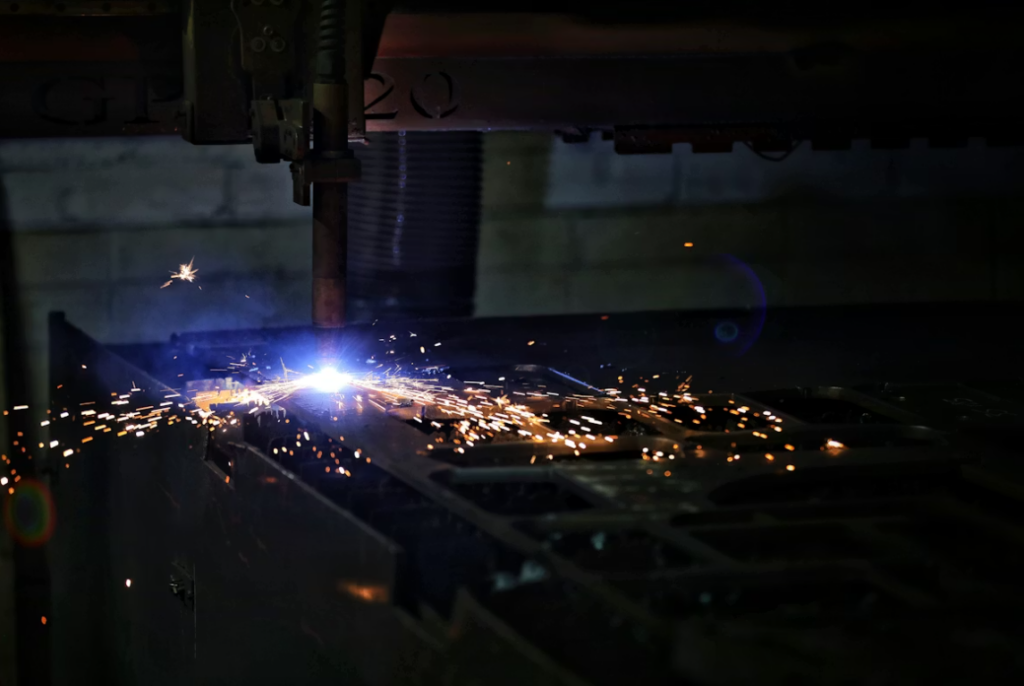
Once the engineering calculations are complete, the focus shifts to the practical application through various steel fabrication processes. These processes begin with the procurement of raw steel, which is then cut to precise lengths according to the engineering blueprints. Holes are drilled or punched for connections, and plates are shaped to form the necessary profiles for fabricated metal assemblies. This stage requires a high degree of precision, as even minor deviations can compromise the integrity of the structure. The chosen steel fabrication processes must align perfectly with the specifications outlined by the structural steel engineering team. Quality control checks are performed regularly to verify that all components meet the required tolerances. This phase is where the theoretical designs begin their transformation into physical elements of metal construction systems.
The translation of structural steel concepts from a two-dimensional blueprint into a three-dimensional reality is a complex logistical feat. It involves coordinating the delivery of fabricated steel to the construction site in a specific sequence. The erection team relies on the engineering drawings to know exactly where each piece of steel framework design belongs. Connections, whether bolted or welded as per welding fabrication methods, must be executed flawlessly to realize the engineer’s intent. This stage brings together all the planning and fabrication efforts into a visible form. The successful assembly of the frame demonstrates the validity of the initial structural steel engineering work. It is a rewarding moment when the abstract concepts and calculations culminate in a rising industrial steel structure. This process highlights the seamless collaboration between design and execution in creating engineered steel solutions.
As a primer for anyone interested in metal construction systems, this overview demonstrates the depth and breadth of the field. From initial load calculations to the final bolt-up on site, every step is interconnected. Understanding structural steel engineering provides a framework for appreciating the complexity of modern buildings. It reveals how steel fabrication processes are not merely manufacturing steps but are integral to realizing a design vision. The principles discussed here are the same ones that guide the creation of everything from simple warehouses to complex skyscrapers. For students and professionals alike, grasping these basics is the first step toward mastering the trade. This foundation in structural steel concepts is invaluable for anyone looking to contribute to the industry. It underscores the importance of precision, planning, and engineering knowledge in building the world around us.