
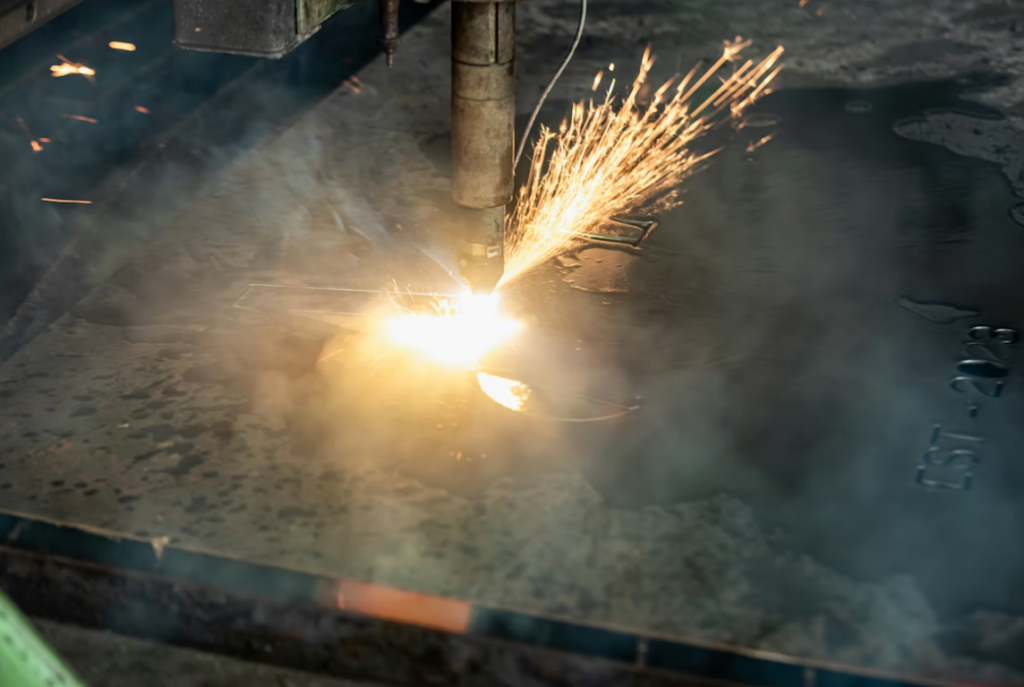
In the realm of modern construction, welding fabrication methods represent the critical techniques used to permanently join steel components. These methods are the backbone of creating durable and resilient fabricated metal assemblies for a wide range of applications. The choice of a particular welding technique can significantly influence the overall strength and longevity of a project. Today’s industry utilizes a variety of processes, each suited to different materials, thicknesses, and positions. Understanding these methods is essential for anyone involved in structural steel engineering or on-site construction. The evolution of these techniques has been driven by the need for greater efficiency and stronger, more reliable bonds. As metalworking technology advances, welding processes become more sophisticated and precise. This article will explore the most prevalent welding fabrication methods used in creating industrial steel structures.
One of the most common welding fabrication methods is Shielded Metal Arc Welding (SMAW), often referred to as stick welding. This process uses a consumable electrode coated in flux to lay the weld, making it highly versatile for outdoor work. It is frequently employed in the erection of industrial steel structures due to its portability and effectiveness on dirty or rusty materials. However, it requires significant skill from the operator to produce consistent, high-quality results. The slag produced by the flux must be removed after each pass, adding to the labor involved. Despite these considerations, SMAW remains a staple in steel fabrication processes for its reliability and simplicity. It is particularly useful for field welds and repair work where other methods might be impractical. This method’s adaptability ensures its continued relevance in diverse metal construction systems.
Gas Metal Arc Welding (GMAW), or MIG welding, is another prevalent method known for its speed and ease of automation. This process uses a continuous solid wire electrode and a shielding gas to protect the weld pool from contamination. It is highly favored in shop environments for creating fabricated metal assemblies because it allows for long, continuous welds. The relative ease of learning GMAW makes it accessible, though mastery requires understanding its intricate settings. This method plays a significant role in modern metalworking technology, as it integrates seamlessly with robotic welding systems. The high deposition rates of GMAW contribute to increased productivity in steel fabrication processes. It produces clean welds with minimal slag, reducing post-weld cleaning time. For projects requiring consistent, high-volume welding, GMAW is often the method of choice in engineered steel solutions.
Flux-Cored Arc Welding (FCAW) offers a hybrid approach, combining elements of both stick and MIG welding. It uses a continuously fed tubular wire filled with flux, which can eliminate the need for an external shielding gas in some variations. This characteristic makes FCAW exceptionally well-suited for outdoor applications where wind might disperse a shielding gas. It is a powerful method for welding thicker materials commonly found in steel framework design. The process offers high deposition rates, making it efficient for heavy industrial steel structures. However, it can produce significant fumes and slag, requiring proper ventilation and cleaning. FCAW is a robust welding fabrication method that bridges the gap between shop efficiency and field versatility. Its use in constructing heavy metal construction systems is widespread due to its deep penetration and strong welds.
The integration of automation into welding fabrication methods has revolutionized the production of fabricated metal assemblies. Robotic welding cells, utilizing processes like GMAW, can operate with precision and speed unattainable by human hands alone. This automation ensures consistency across thousands of welds, directly enhancing the reliability of engineered steel solutions. It also removes human workers from hazardous environments, improving overall shop safety. These advancements in metalworking technology allow for more complex steel framework design to be realized with confidence. Understanding these modern methods is key to appreciating the capabilities of contemporary structural steel engineering. As we continue to refine these processes, the potential for innovation in metal construction systems expands. The evolution of welding remains a driving force behind the strength and efficiency of today’s built environment.